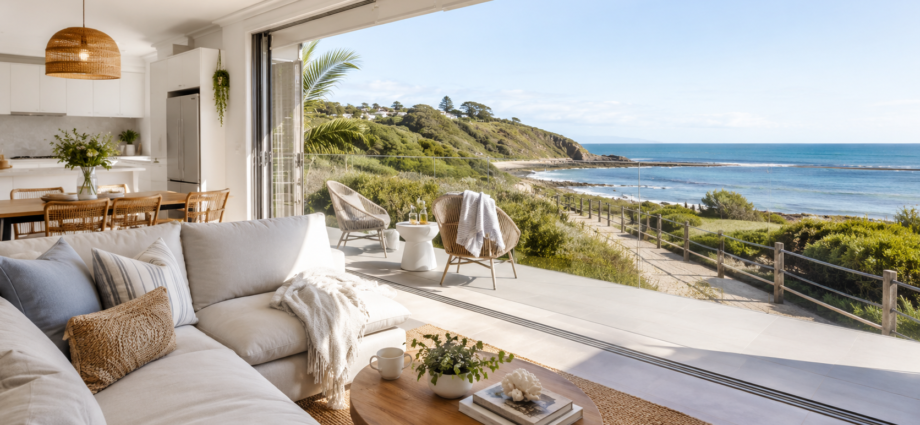
Travellers comparing accommodation rye victoria are increasingly looking beyond a basic place to sleep and considering how a property will shape the entire getaway. This shift reflects a broader preference for shorter, experience-led trips that are easy to organise. Location remains central, particularly for visitors seeking beach accommodation mornington peninsula with convenient access to the coast, local dining and nearby attractions. Comfort is also becoming more important, with demand for beachfront accommodation mornington peninsula influenced by travellers wanting privacy, flexibility and a stronger connection to the destination.
Shorter Coastal Breaks Are Becoming More Popular
Extended annual holidays remain important, but many Australians are also taking more frequent weekend escapes and midweek breaks. Coastal destinations within driving distance of major cities are well suited to this style of travel because they require less planning than interstate or international trips.
A two or three-night escape can provide enough time to slow down, enjoy the coast and return home without using a large amount of annual leave. This has increased interest in destinations where visitors can arrive by car, settle in quickly and access most activities without extensive travel.
The growing flexibility of hybrid and remote work has also changed when people travel. Some guests now extend a weekend by working remotely on a Friday or Monday, allowing them to enjoy quieter periods outside the traditional peak schedule. Properties with reliable internet, comfortable living areas and practical workspaces are better positioned to serve this changing market.
Travellers Want More Than a Hotel Room
The traditional hotel room is no longer the automatic choice for every coastal holiday. Couples, families and small groups are increasingly attracted to self-contained stays that provide additional space and fewer restrictions.
A separate living area allows guests to relax without sitting on a bed, while a kitchen can make breakfast, snacks and casual meals easier. Laundry facilities, secure parking and private outdoor areas can also improve the experience, particularly for longer visits or trips involving children.
Privacy has become another major consideration. Travellers often want to enjoy local restaurants, beaches and attractions while still having a quiet space to return to at the end of the day. This makes apartments and independent properties especially appealing to people who value a relaxed routine rather than a fixed hotel schedule.
Location Is Part of the Experience
For coastal travel, convenience is not simply about reducing travel time. A well-positioned stay can influence how visitors experience the destination from morning until evening.
Being close to the water makes spontaneous walks, swims and sunset visits easier. Guests can spend less time looking for parking or planning transport and more time enjoying the surroundings. Easy access to cafés, restaurants and local shops also gives visitors the freedom to explore without relying on the car for every outing.
Walkable locations can be particularly valuable during busy travel periods when roads and public parking areas are under pressure. They also support slower travel habits, encouraging visitors to explore neighbourhood businesses and experience the destination at a more relaxed pace.
Local Experiences Are Driving Booking Decisions
Modern travellers are often motivated by what they can do around their chosen property. Rather than selecting accommodation first and planning activities later, many people consider the complete experience before making a booking.
On the Mornington Peninsula, this may include visiting wineries, exploring coastal walking tracks, booking a wellness treatment or planning meals at local restaurants. Seasonal produce, markets, galleries and golf courses can also influence when and where visitors stay.
This experience-led approach has made local knowledge more valuable. Clear information about nearby activities, travel times and seasonal considerations can help guests plan a more satisfying trip. Properties that communicate the character of their location are more likely to appeal to travellers seeking an authentic connection with the area.
Design and Comfort Matter More
Visual presentation plays an important role in accommodation decisions, particularly when guests are booking online. Bright interiors, comfortable furniture and uncluttered spaces can help potential visitors imagine themselves enjoying the property.
However, appearance alone is not enough. Travellers also pay attention to practical details such as quality bedding, climate control, kitchen equipment and storage. These features affect how comfortable a stay feels after the initial visual impression.
There is also growing interest in properties that reflect their coastal surroundings without relying on excessive nautical decoration. Natural materials, light colours and functional layouts can create a relaxed atmosphere while still feeling contemporary and considered.
Flexible Travel Is Influencing Demand
Travellers increasingly expect accommodation to support different types of visits. A property may need to suit a romantic weekend, a family holiday, a work trip or a small group gathering at different times of the year.
Flexible sleeping arrangements and generous communal areas can broaden a property’s appeal. Clear booking information is equally important, especially around check-in procedures, parking, accessibility and what is included in the stay.
Guests generally want fewer surprises and more control over their time. Simple arrival instructions and well-equipped spaces allow visitors to settle in without unnecessary delays. This is particularly valuable for short breaks, where every hour of the trip matters.
Coastal Travel Is Moving Towards Convenience and Connection
The strongest coastal accommodation trends are not based on luxury alone. Travellers are looking for stays that make their trip easier while helping them feel connected to the destination.
A convenient location, comfortable layout and access to local experiences can be more influential than traditional hotel services. Guests want the freedom to plan their own days, prepare meals when it suits them and explore at a relaxed pace.
Coastal travel is shifting towards flexible stays, local experiences and relaxed escapes that balance comfort, convenience and a sense of place. Properties that respond to these expectations are likely to remain attractive as short breaks become a more established part of Australian travel habits.


