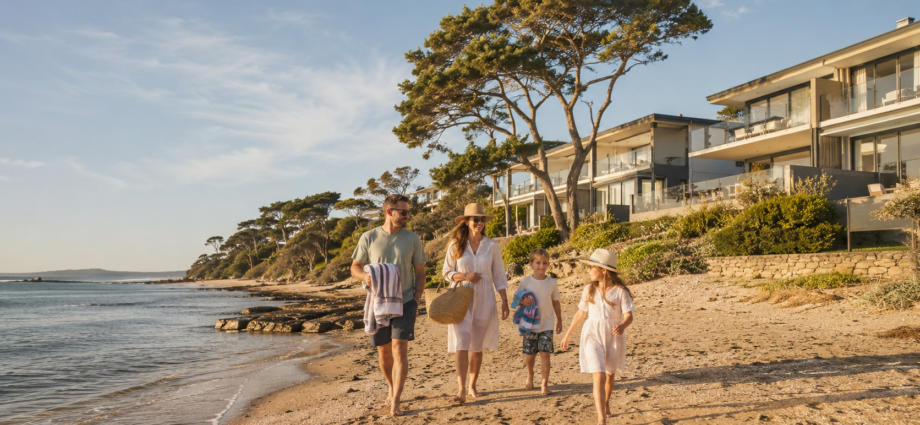
A coastal break on the Mornington Peninsula can be simple, comfortable and easy to organise when families choose rye accommodation that suits their space, timing and daily routine. Travellers who want to stay close to the shoreline may prefer rye beach holiday apartments with practical features for meals, swimming gear and relaxed evenings. Larger households or groups travelling with children can also benefit from rye family apartments that provide separate living areas and enough room for everyone to settle in without feeling crowded.
Rye is well suited to travellers who want a beach holiday without filling every day with formal activities. The town offers calm coastal scenery, accessible swimming areas, local dining and easy connections to other parts of the peninsula. A thoughtful plan can help families enjoy these options without creating a rigid schedule.
Choose a Location That Supports the Holiday
Where a family stays can affect how easy the entire trip feels. Accommodation near the beach, shops and food options may reduce the amount of driving required each day. This can be particularly useful when travelling with young children, older relatives or several people who want different activities.
Before booking, families should consider what they are likely to do most often. A household planning daily beach visits may value a short walk to the water. Travellers who expect to cook regularly may prefer easy access to supermarkets and local produce. Others may prioritise nearby cafés, restaurants and evening walks.
Parking is another practical consideration. Families carrying prams, beach chairs, coolers and luggage may find secure or convenient parking especially helpful. It is also worth checking whether the property is reached by stairs, lift or direct ground-level access.
Select Space Based on Real Needs
A small room can appear suitable during a quick online search but may feel restrictive once bags, beach equipment and everyday items are unpacked. Families should look beyond the number of beds and consider the wider layout.
Separate bedrooms can make bedtime easier when children and adults follow different routines. A living area gives everyone a place to relax without sitting on beds, while a dining table can support shared meals, games and planning for the next day.
Kitchen and laundry facilities can also make a coastal stay more manageable. Preparing breakfast before heading out may save time, while access to a washing machine can be valuable after swimming, hiking or visiting sandy beaches.
Storage should not be overlooked. Hooks, cupboards and open floor space can help keep towels, shoes and bags organised throughout the stay.
Plan Beach Time Around Conditions
Beach holidays often work best when the schedule remains flexible. Weather, wind and water conditions can change, so families should check local forecasts before planning a full day by the shore.
Morning visits may suit younger children because temperatures can be milder and popular areas may be quieter. Later afternoons can offer pleasant conditions for walking, paddling or watching the sun lower over the coast.
Sun protection should remain part of every outing, even on cooler or cloudy days. Families can prepare hats, sunscreen, drinking water, shade and suitable clothing before leaving their accommodation. Packing these items in one dedicated beach bag can prevent repeated trips back during the day.
Children should always be supervised near water, and families should pay attention to local signs, marked swimming areas and changing conditions. A calm-looking section of coast may still require caution.
Keep the Schedule Flexible
Trying to fit too many activities into a short holiday can make the break feel more tiring than relaxing. Rye provides a useful base for exploring, but families do not need to visit every nearby attraction.
A balanced plan might include one main activity each day, followed by unstructured time. This could mean a morning beach visit, lunch in town and a quiet afternoon at the apartment. Another day could involve a short peninsula drive followed by an early dinner and evening walk.
Allowing time for rest is especially important when travelling with children. Familiar meals, regular sleep routines and quiet breaks can reduce stress and make shared activities more enjoyable.
A flexible schedule also helps when weather changes or someone feels tired. Indoor games, reading, films and simple meals can still create a pleasant holiday atmosphere without requiring another outing.
Make Meals Easier
Food planning can influence both the budget and the pace of a family trip. Eating every meal at a restaurant may become expensive and difficult to coordinate, while cooking every meal can feel like unnecessary work.
A practical approach is to combine simple meals at the accommodation with selected café or restaurant visits. Breakfast, snacks and easy lunches can be prepared with minimal effort, leaving more room in the budget for a special dinner.
Families may also pack familiar snacks for children, particularly when planning longer drives or beach visits. Reusable water bottles, fruit, sandwiches and simple treats can help avoid rushed decisions when everyone becomes hungry at once.
Before arrival, it can be useful to check the kitchen facilities provided. An oven, microwave, full-size refrigerator and basic cooking equipment can make a significant difference to meal planning.
Prepare for Different Age Groups
A successful family holiday should include options for adults, teenagers and younger children. Not everyone will want to spend the entire day swimming or sitting on the sand.
Short walks, playground visits, local shopping and casual dining can add variety without requiring extensive travel. Teenagers may appreciate some independence within a safe area, while younger children may prefer shorter activities with regular breaks.
Adults should also have opportunities to enjoy the setting. A morning coffee, a quiet coastal walk or time spent reading on a balcony can be as valuable as a major attraction.
When several generations travel together, the accommodation layout becomes even more important. Private sleeping areas and shared living space can help people spend time together while still having room to rest.
Pack for Comfort Rather Than Possibility
Overpacking can make arrival and departure more difficult, particularly when several people are sharing a vehicle. Families can reduce luggage by focusing on items they are likely to use.
Swimwear, comfortable walking shoes, light layers, sun protection and a warm option for cooler evenings will cover many coastal conditions. A waterproof bag for wet clothing can help keep the rest of the luggage clean.
Entertainment should also be simple. A few books, cards, travel games or downloaded films may be enough for quiet periods. Families staying in an apartment may already have more room to relax than they would in a standard hotel room.
Checking whether towels, linen, toiletries and laundry products are provided can prevent unnecessary packing. It can also help travellers identify any essential items that need to be brought from home.
Leave Space for Simple Moments
The most memorable parts of a family holiday are not always the activities that require the most planning. Shared breakfasts, walks along the coast, relaxed conversations and evenings spent together can become the moments people remember.
Rye gives families the flexibility to create this kind of break. Its coastal setting supports outdoor time, while local services and comfortable accommodation can make daily routines easier.
A well-planned stay does not need to be complicated. By choosing the right location, allowing enough space and keeping the itinerary flexible, families can create a holiday that feels enjoyable rather than demanding.


